How material changes brand perception.
Before anyone reads a word, they have already formed an opinion from the weight, texture and temperature of what they’re holding.
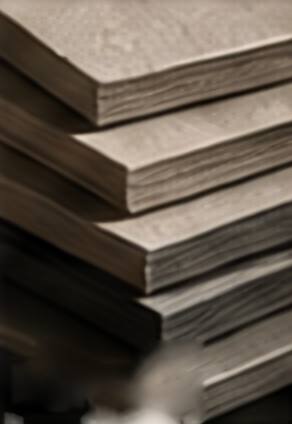
People judge material faster than they read. Pick up a bag and your hand has already decided whether it feels flimsy or substantial, cheap or cared for, before your eyes find the logo.
Weight
Heavier usually reads as more valuable — but only to a point. A gift box benefits from heft; a takeaway bag that is heavier than it needs to be feels wasteful. The right weight is the one that matches what the object is for.
Texture
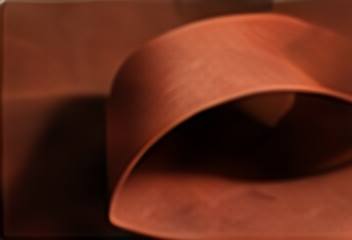
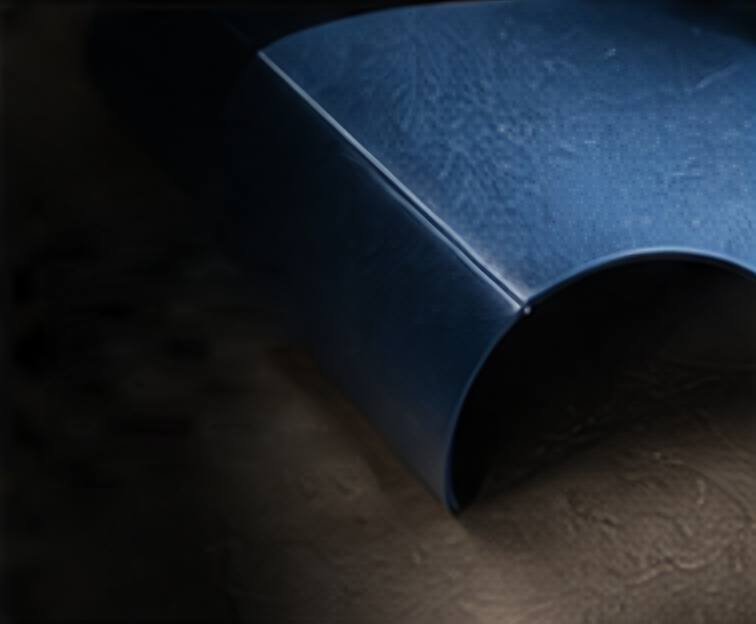
Texture is how material speaks. Uncoated paper feels natural and approachable. A smooth coated board feels precise. Canvas feels durable; twill feels tailored. Choosing a texture is choosing a tone of voice.
Temperature and sound
Materials have temperature — fabric feels warm, coated board cool — and they make sounds. The crisp rustle of a paper bag, the soft close of a rigid box. These cues are rarely designed deliberately, but people notice them.
Ageing
Some materials get better with use: canvas softens, kraft develops character. Others wear badly: soft-touch lamination scuffs, thin cotton pills. How a material ages determines how a brand looks a month after the purchase.
Consistency
When materials across a brand share a logic — natural and uncoated, or precise and coated — the brand feels coherent even when the objects are very different. When they don’t, even a strong identity can feel disjointed.
Material is not a production detail to be decided at the end. It is one of the most powerful brand decisions there is.